

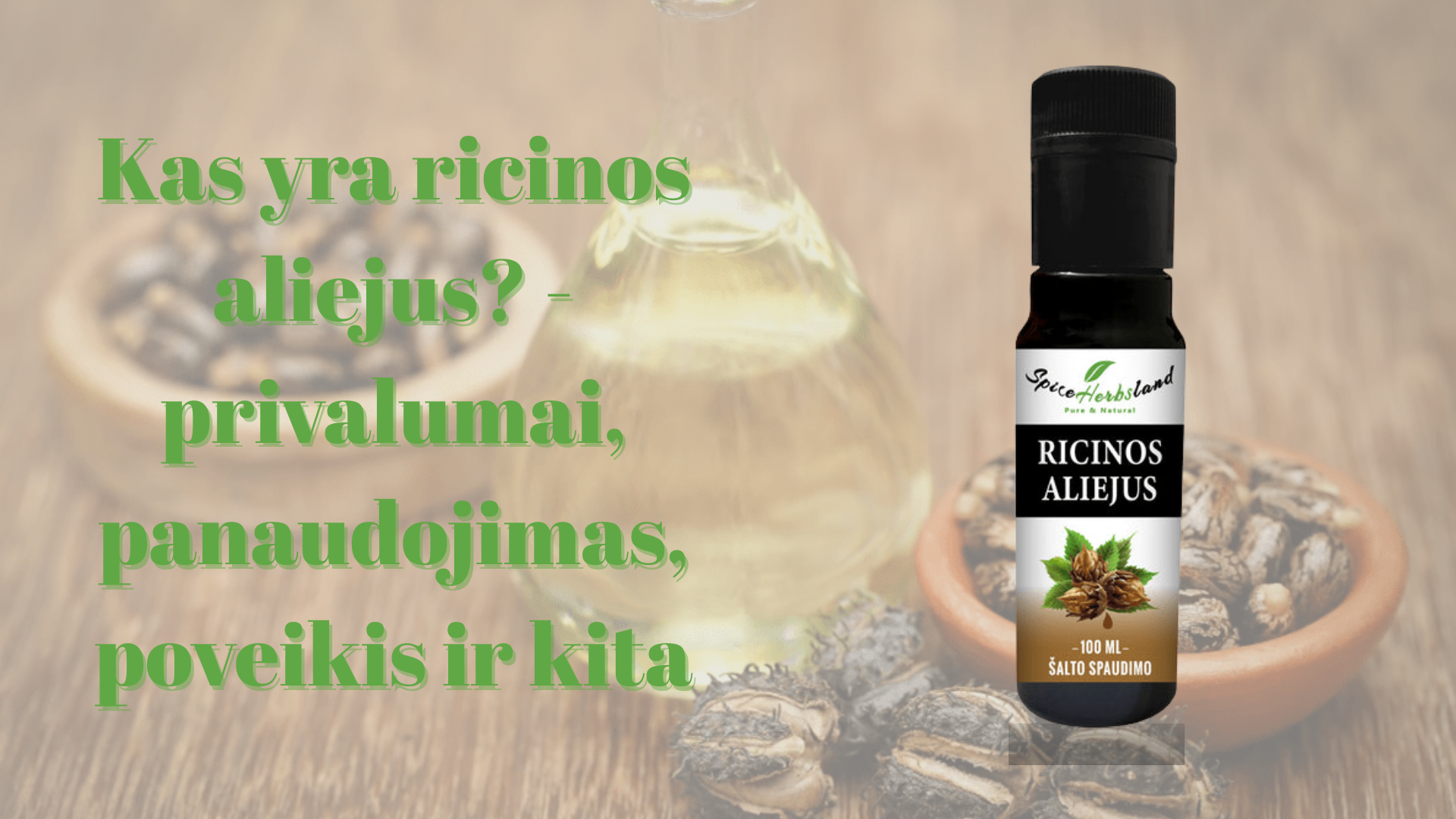
What is castor oil? - benefits, uses, effects and more
Castor oil has been valued as a natural remedy for many years, but recently its popularity has been growing rapidly again. People are increasingly looking for natural solutions for health, skin and hair care, so the benefits of castor oil are becoming relevant not only in folk medicine, but also in modern daily routine. This oil stands out for its composition, effects and wide range of uses.
Simply put, castor oil is a vegetable oil pressed from the seeds of the Ricinus communis plant. Its main active ingredient, ricinoleic acid, is responsible for castor oil's powerful effects on the body, skin, and hair.
This is why it is often mentioned when talking about supporting digestion, moisturizing the skin, or strengthening hair. Such properties are best revealed when using premium castor oil, such as that offered by Spice Herbs Land , where special attention is paid to quality and purity.
In this article, we will discuss in detail what castor oil is, what its main benefits are, how to use castor oil in everyday practice, and what real benefits it can provide. We will also touch on frequently asked questions, myths, and what is worth knowing before starting to use it regularly.
1. What is castor oil?

Castor oil is a thick, vegetable oil pressed from the seeds of the castor oil plant, also known as Ricinus communis. This plant originates from tropical regions, but due to its valuable properties, it is now cultivated and used all over the world. Although castor oil has been known for thousands of years, its effects and uses remain relevant in modern natural care.
Unlike most other vegetable oils, castor oil has a unique chemical composition. This is why castor oil's benefits extend beyond cosmetic to functional health benefits. It is often used to moisturize the skin, strengthen hair, and traditionally, support digestion.
The castor oil plant (Ricinus communis) belongs to the castor bean family. Its seeds naturally contain the toxic compound ricin, but cold-pressed castor oil is safe to use because ricin is not present in the oil. It is the proper manufacturing process that determines the quality and safety of the oil.
Historically, castor oil was used to:
- Ancient Egypt skin care
- In Ayurveda - for body balance
- in folk medicine, as a natural aid
This suggests that the benefits of castor oil were appreciated long before modern cosmetics or supplements.
1.1 Main active ingredient - ricinoleic acid
The greatest value of castor oil is determined by ricinoleic acid, which makes up about 85-90% of all fatty acids. It is an extremely rare compound, almost not found in other vegetable oils.
Ricinoleic acid is associated with:
- anti-inflammatory properties
- maintaining skin moisture
- protective effect on the skin barrier
It is this substance that explains why castor oil is often recommended for skin dryness or irritation, and castor oil for hair is used for scalp care.
1.2 Why is the composition of castor oil different from other vegetable oils?
Unlike olive, sunflower or coconut oils, castor oil:
- has a thicker texture
- absorbs more slowly
- forms a protective layer on the skin and hair
This property allows it to act not superficially, but to retain moisture for a longer period of time. As a result, the use of castor oil is often focused on intensive care, rather than a quick cosmetic effect.
2. Nutritional value and calories
Although castor oil is not an everyday edible oil, its composition makes it possible to understand why it is so effective and widely used in various fields.
One tablespoon of castor oil contains about 119-120 calories , which come from fat. The oil contains about 13-14 grams of fat , mostly unsaturated, which is typical of high-quality vegetable oils.
Castor oil:
- has no carbohydrates
- has no protein
- does not contain fibrous substances
- sugar -free
- cholesterol- free
Its greatest value lies in its fatty acid profile. About 90% of the total composition is ricinoleic acid , which is considered the main active component. In addition, castor oil is a source of omega-9 fatty acids , which contribute to the maintenance of the skin barrier.
In terms of micronutrients, the oil naturally contains vitamin E , known for its antioxidant properties, as well as a small amount of magnesium . Due to this composition, the effects of castor oil are more associated with its functional benefits than with its nutritional value in the daily diet.
2. Main benefits of castor oil

Castor oil is valued for its wide range of effects - from health maintenance to daily beauty care. Unlike many other vegetable oils, it acts in a targeted and longer-lasting way, so its benefits are noticeable not only in the short term. Below is an overview of the main benefits of castor oil , which are most often of interest to those looking for natural but effective solutions.
2.1 Health benefits of castor oil
Castor oil has traditionally been associated with digestive support, especially for occasional constipation. Ricinoleic acid can promote bowel movements, but it is important to use it responsibly and in moderation. Castor oil is also thought to have anti-inflammatory properties, so it is sometimes used topically to relieve muscle or joint discomfort. Its effects are considered supportive, not curative.
2.2 Benefits of castor oil for the skin
One of the most prominent benefits of castor oil is its intense skin hydration. Its thick texture helps to retain moisture, making it especially suitable for dry, mature or irritated skin. In some cases, it can help to reduce scars or skin irregularities. However, castor oil is not always suitable for sensitive or acne-prone skin - it is important to test and use sparingly.
2.3 Benefits of castor oil for hair
Castor oil is often used to moisturize the scalp and strengthen hair. It can help reduce breakage, add shine, and protect against dryness. However, it’s important to understand what it doesn’t do—castor oil isn’t a miracle cure that directly promotes new hair growth. Its primary role is to create a more favorable environment for healthy, stronger hair to grow.
2.4 Castor oil for eyelashes, eyebrows and nails
Castor oil is often used for eyelash, eyebrow, and nail care because of its nourishing properties. People choose it in hopes of stronger, more elastic hair and less flaky nails. The actual results are usually related to better moisture and less breakage, not faster growth. For safe use, a small amount and a clean applicator are enough.
In summary, castor oil has universal benefits, but the best results are achieved when it is used properly and according to individual needs. In the following sections, we will discuss in more detail the methods of use and important precautions.
3. How to use castor oil correctly?

Proper use of castor oil is very important to experience its real benefits and avoid adverse reactions. Due to its thick texture and strong effects, it requires moderation and correct application. The basic tips below will help you use castor oil safely and effectively.
-
External use on the skin: Use a small amount on clean, dry skin. Castor oil acts as a strong moisturizer, so using it 2-3 times a week is usually enough.
-
Castor oil for hair: Apply to the scalp or ends of your hair, preferably diluted with a lighter oil , such as coconut or almond oil . This combination makes it easier to distribute, doesn't weigh down your hair, and helps reduce dryness and breakage.
-
Use on eyelashes and eyebrows: Apply a very thin layer with a clean brush, avoiding contact with eyes. Use no more than once a day.
-
Using castor oil on nails: Massage a small amount into nails and cuticles. This helps retain moisture and reduce flaking.
-
Internal use only in exceptional cases: Castor oil is sometimes used to support digestion, but only for short periods of time and in recommended amounts.
-
Perform a sensitivity test: Before first use, apply a small amount to your skin and observe the reaction for 24 hours.
In summary, castor oil is an effective but concentrated remedy. When used responsibly and for its intended purpose, it can become a valuable part of your daily care.
4. Castor oil side effects and contraindications
Although castor oil is considered a natural and widely used remedy, it is not suitable for everyone. Due to its strong effects, it is important to be aware of possible side effects and situations when its use is not recommended. Responsible use helps to avoid unpleasant reactions and allows you to safely enjoy the benefits of castor oil .
-
Who is castor oil not recommended for: Castor oil should not be used during pregnancy, in the presence of chronic digestive problems or intestinal diseases. People with extremely sensitive skin or those prone to allergic reactions should also exercise caution.
-
Possible Allergic Reactions: Castor oil may cause skin redness, itching, or rashes in some people. Therefore, it is recommended to perform a sensitivity test before use, especially if you plan to use the oil on your face or scalp.
-
Why it's important not to overdo it: Due to its concentrated composition, too much castor oil can irritate the skin or weigh down the hair. Taking large doses internally can cause stomach cramps or diarrhea, so it's important to be careful.
In summary, castor oil can be beneficial, but only when used responsibly and according to individual needs. In the following sections, we will discuss how to choose a quality castor oil and what to look for when buying.
5. Where to buy the highest quality castor oil

When choosing castor oil , it is important to pay attention to its origin, pressing method, and purity. High-quality oil ensures a more stable castor oil effect and safer use for skin, hair, and daily care.
For those looking for a reliable option, it is worth paying attention to Spice Herbs Land , which offers premium, cold-pressed castor oil . Cold pressing helps preserve ricinoleic acid and other valuable substances that determine the benefits of castor oil.
In addition to castor oil, our collections also include other cold-pressed oils that work well in blends. Almond , coconut, or jojoba seed oils are often used together to help reduce the thickness of castor oil.
Essential oils , spices and herbs are also offered , allowing you to create a natural and balanced routine. This is a convenient choice for those who value quality and natural solutions in one place.
6. Conclusions
Castor oil is valued for its versatility and wide-ranging effects. It helps moisturize skin, strengthen hair, and support natural body care when used responsibly.
This oil is best suited for those looking for natural solutions for dry skin, brittle hair, and a minimalist skincare routine.
For best results, it is worth choosing a reliable product, such as Spice Herbs Land's premium castor oil and other natural oils for daily use.


