

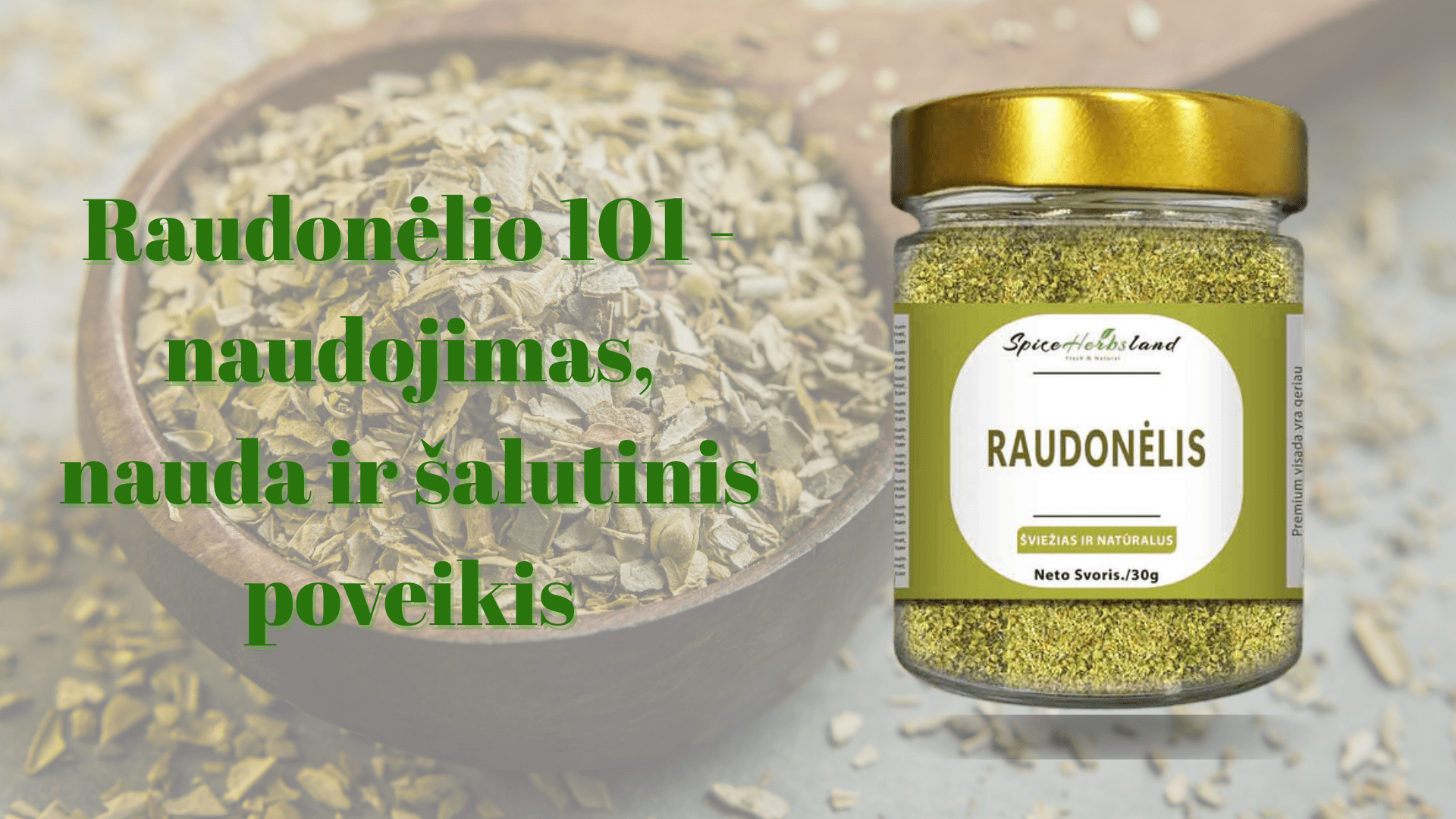
Oregano 101 - Uses, Benefits, and Side Effects
Oregano - is known to many as a fragrant spice, but its value certainly does not end there. This plant has long been used not only in cooking, but also in folk medicine, due to its health benefits and natural properties. However, not everyone knows what oregano really is, how it is useful for the body and how to use it safely every day.
In this Oregano 101 guide, we’ll discuss in a clear and simple way what oregano is, how it’s used in food and teas, its health benefits, and possible side effects. If you’re looking for reliable, beginner-friendly information about oregano, you’ve come to the right place.
1. What is oregano?

Oregano is an aromatic plant widely used as a spice and also valued for its health benefits. Oregano is a perennialherb belonging to the mint family (Lamiaceae). It grows naturally in Europe, including Lithuania, and is well known in both culinary and folk medicine.
For beginners, it is important to understand that oregano is not just a spice for pizza or sauces. It is a plant that contains active ingredients that determine its aroma, taste and positive effects on the body.
1.1 Common oregano (Origanum vulgare)
Common oregano (Origanum vulgare) is the most common type of oregano. It grows in meadows, forest edges, and hilly areas, preferring sun and light soil. The plant is characterized by small oval leaves and pink or purple flowers.
Botanically, oregano is distinguished by its high content of essential oils , which give it its characteristic aroma. It is precisely because of these properties that common oregano has become an integral part of Mediterranean cuisine.
The name oregano comes from the Greek words oros (mountain) and ganos (joy). Therefore, oregano is often called the "joy of the mountains", which perfectly reflects its origin and aroma.
1.2 Oregano and oregano: are they the same?
Yes, oregano and oregano are essentially the same plant. The Lithuanian name is "raudonėlis", and in international cuisine - "oregano". The differences are usually associated with regions: European oregano is milder, while Mexican oregano has a more intense aroma. For everyday use, it is the same spice.
2. Nutritional and active composition of oregano
Oregano is often considered a simple spice, but its intrinsic value is much greater. Even a small amount of this plant supplements the diet with beneficial substances that contribute to overall well-being. This is why oregano is valued not only in the kitchen, but also in the context of natural health.
2.1 What substances does oregano contain?
Although oregano is consumed in small amounts, its nutritional profile remains impressive. 1 tablespoon of dried oregano (about 2-4 g) provides very few calories, but at the same time provides the body with fiber and micronutrients.
- Calories: ~2-11 - a great choice when looking for a lighter diet
- Fat: ~0 g
- Carbohydrates: ~0.7-2.8 g - naturally low amount
- Fiber: ~0.4-0.8 g - valuable support for digestion
- Protein: ~0.1-0.4 g
- Sugar: ~0 g
- Sodium: very low amount
Additionally, oregano is a natural source of vitamins and minerals. One serving provides:
- Calcium (~16 mg), important for bones
- Iron (~0.4 mg), contributing to normal blood circulation
- Potassium (~13 mg), which supports muscle function
- Phosphorus (~1.5 mg)
- Folic acid (B9) (~2.4 mcg), necessary for normal cell function
This balanced composition explains why oregano is considered not only a flavor enhancer, but also a small but valuable detail in the daily diet.
3. Health benefits of oregano

Oregano has been valued for many years not only as an aromatic spice , but also as a plant that can contribute to overall well-being. Its active ingredients affect different systems of the body, so when talking about the benefits of oregano, it is important to look at the broader picture. Like other Mediterranean herbs - marjoram, thyme, basil or rosemary - oregano, when used properly, can become a beneficial part of your daily diet.
3.1 Oregano for immunity and inflammation
Oregano has natural antibacterial properties that help protect the body from unwanted microorganisms. These properties are especially valuable during seasonal ailments, similar to the use of thyme or rosemary .
Additionally, the plant compounds in oregano have been linked to anti-inflammatory effects. They may help balance the body and reduce mild inflammation, especially when combined withother aromatic herbs , such as marjoram or basil.
3.2 Oregano for digestion and intestines
Oregano is often used to support digestive processes. It can promote normal stomach function and help the body cope with heavier or fatty foods more easily. For this reason, oregano is often used in dishes along with basil or rosemary.
Oregano is also often mentioned as a natural aid for bloating or discomfort after meals. In this regard, it works similarly to thyme or marjoram , which are also traditionally associated with digestive support.
3.3 Oregano for the respiratory tract
Drinking warm oregano tea is traditionally associated with relief from coughs and sore throats. Its aromatic properties can help you feel more comfortable, especially during the cold season, similar to the benefits of thyme or rosemary oils .
During colds, oregano is valued for its warming effect and ability to support respiratory health, so it is often included in natural herbal mixtures.
3.4 Oregano for the nervous system and general well-being
Oregano has a mild sedative effect and is often associated with improved emotional well-being. Oregano tea can help you relax after a stressful day, especially if drunk in the evening.
Its aroma, like that of basil or marjoram, can help reduce tension and maintain overall internal balance.
3.5 Oregano for skin and general body protection
Due to its high antioxidant content, oregano is associated with protecting cells from environmental damage. These properties are important not only for the internal health but also for the skin.
The natural compounds found in oregano may contribute to maintaining healthy skin and overall body resistance.
Note: For maximum benefits, it is important to choose high-quality dried or organic oregano from trusted sources, such as Spice Herbs Land .
4. How to use oregano daily?
Oregano is one of those herbs that is easy to incorporate into your daily life. When used properly, it not only improves the taste of dishes, but also supplements your diet with useful substances. Below are practical tips on how to use oregano and what the simplest use of oregano in everyday life looks like.
4.1 Oregano in the kitchen
Oregano is valued in the kitchen for its versatile flavor, which goes well with both simple and richer dishes.
What dishes are suitable for:
- For tomato sauces, pizza and pasta
- For fried or stewed vegetables
- For meat and poultry dishes
- Fish and seafood
- For salads and marinades
How much to add:
- Dried oregano - ¼-½ teaspoon
- Fresh oregano - 1-2 teaspoons
- Best added at the end of cooking to retain the aroma

4.2 Oregano tea - how to prepare it?
Oregano tea is one of the easiest ways to benefit from the properties of this plant on a daily basis.
How to brew oregano tea:
- 1 teaspoon dried oregano
- 200-250 ml of hot water
- Infuse for 5-10 minutes.
- Strain and drink warm.
Usage tips:
- Drink 1-2 times a day
- Suitable after meals or in the evening
- Can be seasoned with honey or lemon to taste

4.3 Fresh or dried oregano - what to choose?
When choosing between fresh and dried oregano, it's important to consider what you'll be using it for. Fresh oregano has a milder, fresher flavor and is great for salads or finishing dishes. It's also a good choice when you want a subtle flavor without the intensity.
Dried oregano is more concentrated and has a longer shelf life. It is more convenient for everyday use, especially in sauces, soups, and stews. If you are looking for a practical solution, dried oregano is usually a more versatile option.
5. How much oregano should I use and when is the best time?
Although oregano is a natural herb, it is important to use it in moderation. The most common question is how much oregano to take per day to benefit from it without causing discomfort. Small amounts are sufficient in the daily diet, especially if oregano is used as a spice or tea. Concentrated forms, such as oregano oil , should be used with extreme caution and only as recommended.
It is usually recommended to use:
- Dried oregano: up to 1 teaspoon per day.
- Oregano tea: 1-2 cups per day.
- Fresh oregano: in moderation, to taste in dishes.
When it comes to when to take oregano, for most people it works best after a meal, especially if you’re looking to support digestion. Oregano tea is often drunk in the evening as it can help you relax. However, for those with more sensitive stomachs, it’s a good idea to monitor your health and avoid taking it on an empty stomach.
6. Oregano Side Effects and Precautions

While oregano is a natural and widely used herb, it is important to be aware of its potential limitations. Like many spices or herbs, it should be used in moderation. Understanding the side effects of oregano helps ensure safe and responsible use.
6.1 Who is oregano not recommended for?
In certain cases, oregano consumption should be limited or coordinated with a specialist.
- Pregnancy: During pregnancy, it is recommended to use oregano only as a spice in food, avoiding concentrated forms, such as strong teas.
- Sensitivity: Oregano may cause mild digestive discomfort or allergic reactions in some people.
- Children: For young children, oregano should be used very sparingly and only as part of a meal.
6.2 Can oregano be consumed daily?
In most cases, yes. Moderate consumption of oregano in your daily diet is considered safe, especially when used as a spice. The main thing is to not exceed the recommended amounts and monitor your individual body's reaction. If in doubt, it is worth consulting a health professional.
6.3 How to choose quality oregano?
Not all products on the market are of the same quality. Knowing how to choose oregano makes it easier to purchase a product that will be aromatic, effective and valuable for everyday use. High-quality organic oregano is distinguished not only by its taste, but also by its clear origin.
6.4 What to look for when buying?
When choosing oregano, it is worth considering several important aspects:
- Origin: Prefer a clearly stated, reliable origin.
- Color: Dried oregano should be a rich, greenish color, not grayish.
- Smell: Quality oregano has a strong, fresh aroma even when dry.
6.5 Where to buy oregano?
If you are looking for a reliable place to buy oregano, it is worth choosing specialized stores. Spice Herbs Land offers carefully selected, high-quality and organic oregano, as well as a widerange of other spices and herbs . In addition, you will find premium oils , including essential and cold-pressed oils , for conscious nutrition and everyday use. Clear origin and strict quality control allow you to be sure of what you put in your kitchen.
7. Summary
Oregano is more than just an aromatic spice. It is valued for its health benefits, wide-ranging culinary uses, and natural properties that can contribute to a better sense of well-being. From supporting digestion and immunity to enriching everyday dishes, oregano is easily adaptable in a variety of situations.
For beginners, the key is to start small and choose a quality product. For a reliable flavor and clear origin, choose carefully selected oregano from reliable sources. Used properly, oregano can become a simple but valuable addition to your daily diet.


