

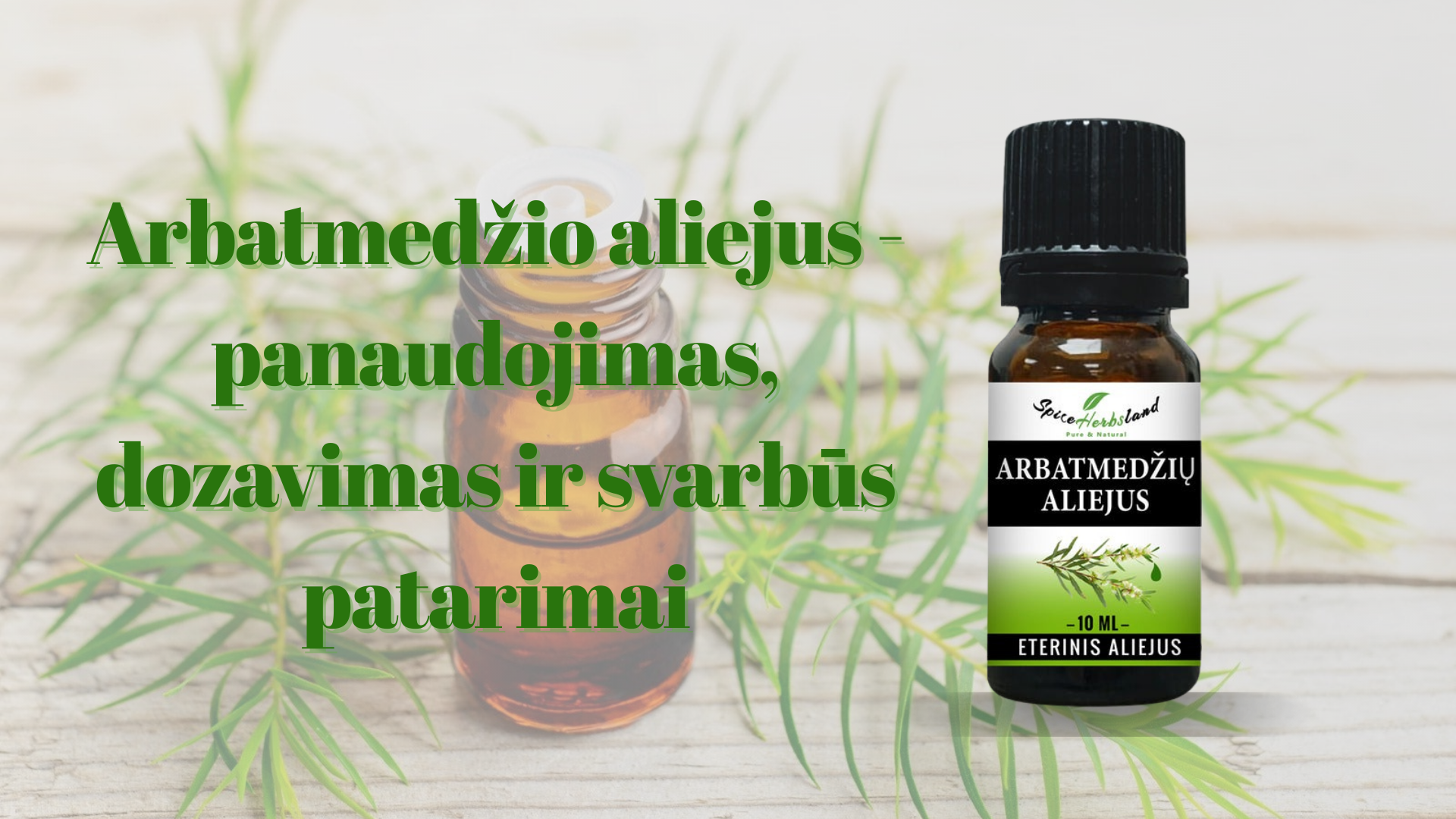
Tea Tree Oil - Uses, Dosage, and Important Tips
Tea tree oil has long been considered one of the most versatile solutions in the world of natural care. This essential oil is valued for its powerful properties and wide range of applications - from skin and hair care to aromatherapy and daily home use. This is why the use of tea tree oil often interests both beginners and those who have been using essential oils for a long time.
This guide is for anyone who wants to understand not only what tea tree oil is used for, but also how to do it correctly. If you are just starting your journey with essential oils or have already tried several uses, here you will find clear, practical, and safe information without excessive promises.
Below, you will learn about the main uses of tea tree oil in different situations, the importance of proper dosage, and what you need to pay attention to from a safety perspective. All information is presented simply, understandably, and adapted for daily use.
1. What is tea tree oil and what makes it special?

Tea tree essential oil is extracted from the leaves of the tea tree through steam distillation. Due to its pure composition, it is widely used in natural care. Spice Herbs Land offers carefully selected tea tree oil, suitable for daily use.
The main properties of this oil are associated with antibacterial and antiseptic effects. Therefore, it is often chosen for natural skin care, especially when the skin is prone to impurities, redness, or discomfort.
Tea tree oil is considered a versatile essential oil because it is suitable not only for skin or hair but also for aromatherapy. Its fresh aroma makes it easy to incorporate into your daily routine.
2. How is tea tree essential oil made?
The quality of tea tree essential oil begins with the manufacturing process. Understanding how it is made makes it easier to appreciate the purity and value of the product for daily use.
-
Tea tree leaves and twigs are carefully harvested at the appropriate stage of maturity.
-
The raw material is processed using steam distillation without chemical additives.
-
Steam extracts the active substances from the plant.
-
The resulting condensate is separated into water and essential oil.
-
The oil is filtered and bottled in dark glass bottles.
This production method preserves its natural properties and ensures that tea tree essential oil is suitable for aromatherapy and daily use.
3. Uses of Tea Tree Oil - Main Methods

Tea tree oil stands out because it is easy to combine with other natural oils and adapt to different daily situations. Below are the main and most practical uses, supplemented with related products that help achieve safer and more balanced results.
3.1 Tea Tree Oil for Skin
Tea tree oil is often used for oily, impure, or acne-prone skin. It helps keep the skin clean and comfortable, but it's important to know how to safely use tea tree oil for acne. Pure oil can be irritating, so it should always be mixed with a carrier oil.
Practical use of tea tree oil for skin - 1-2 drops of tea tree oil mixed with:
-
jojoba oil - for daily facial use
-
sweet almond oil - for more sensitive skin
-
grape seed oil - for a light, non-greasy texture
Such combinations are often used in natural skincare routines and are easily adapted for home use.
3.2 Tea Tree Oil for Hair and Scalp
In hair care, tea tree oil is most commonly used to balance the scalp. It is especially relevant for those who suffer from dandruff or an oily scalp. Tea tree oil for dandruff is usually used as an additive to shampoo.
Practical use of tea tree oil for hair is simple - 2-3 drops into a regular portion of shampoo or mask. The oil is not suitable for very sensitive or irritated scalps, so it is worth performing a small sensitivity test before regular use.
3.3 Use of Tea Tree Oil in Aromatherapy
In aromatherapy, tea tree oil is valued for its fresh, clean aroma and wide application. It is often used in diffusers, inhalations, and for freshening home air. For a softer and more balanced scent, tea tree oil is often combined with other essential oils.
Typically, tea tree oil for inhalations is used in quantities of 2-4 drops. For respiratory comfort, it is often mixed with eucalyptus essential oil, and for a fresher aroma, peppermint essential oil is chosen. For a milder, calming effect, tea tree oil is combined with lavender essential oil.
This combination is widely used in aromatherapy as it helps avoid an overly strong scent and allows for the creation of a more pleasant environment suitable for daily use.
3.4 Uses of Tea Tree Oil at Home
The use of tea tree oil at home includes natural household hygiene, surface freshening, and odor reduction. It is often mixed with water or natural cleaning bases.
Popular solutions:
-
a few drops in a water spray for surfaces
-
combining with lemon essential oil for a fresher scent
-
use for reducing odors in shoes or athletic footwear
Moderation is especially important here. When used responsibly and combined with other natural oils, tea tree oil becomes a versatile solution for the home. Spice Herbs Land offers such essential and carrier oils in its assortment, making them easy to incorporate into daily routines.
4. How to Correctly Dose Tea Tree Oil
Correct dosage is one of the most important principles for safe use. The most common question is how many drops of tea tree oil to use in different situations. For skin, usually 1-2 drops mixed with a carrier oil are sufficient. For hair, 2-3 drops are typically used in a portion of shampoo or mask, and for a diffuser, 3-5 drops are enough, depending on the room size.
The proportions of tea tree oil are important because too much can irritate the skin or respiratory tract. Common mistakes include using pure oil and applying it too frequently. Moderation ensures a safe and effective result.
5. What to Mix Tea Tree Oil With (Carrier Oil Guide)

Essential oils are highly concentrated, so they must be diluted. Tea tree oil with a carrier oil is safer, gentler on the skin, and reduces the risk of irritation. If you're wondering what to mix tea tree oil with, the choice depends on the purpose and skin type.
For the face, jojoba oil is often chosen because it is light and similar to the skin's natural sebum. For sensitive skin, sweet almond oil is suitable, and for nails and feet, coconut oil. For daily, non-greasy use, grape seed oil is excellent. Such combinations are easy to adapt at home, especially when choosing high-quality oils from the Spice Herbs Land assortment.
6. Safe Use of Tea Tree Oil – What You Need to Know
Tea tree oil is a potent essential oil, so its safe use is just as important as its effects. The key points below will help avoid common mistakes.
-
Tea tree oil is for external use only and should not be ingested, as it can cause poisoning, nausea, or other adverse health effects if swallowed.
-
Many ask if pure tea tree oil can be used, but direct application to the skin often causes irritation, dryness, or redness, especially in more sensitive areas.
-
Tea tree oil can be used daily only when properly diluted with a carrier oil, maintaining moderate proportions and constantly monitoring the skin's or scalp's reaction.
-
For sensitive skin and children, tea tree oil can be too strong, raising the important question of whether tea tree oil is safe for children without professional recommendation.
-
Before first use, it is always necessary to perform an allergy test by applying a small amount of diluted oil to the skin and observing the reaction for at least 24 hours.
By following these safety principles, tea tree oil can be used responsibly, avoiding negative consequences and maintaining its natural benefits in your daily routine.
7. Common Mistakes and Myths About Tea Tree Oil

While tea tree oil is considered a versatile essential oil, improper use can diminish its benefits or cause discomfort. These are the most common mistakes.
"More = better" - why this is a mistake.
A large number of drops does not increase effectiveness. On the contrary, overdose can irritate the skin or respiratory tract. Proper proportions are always more important than quantity.
Pure application on the skin.
One of the most common myths is that pure oil works faster. In many cases, this causes redness or dryness. Tea tree oil must be diluted.
Mixing with unsuitable products.
Mixing with alcoholic or synthetic products can neutralize the effect or cause undesirable reactions. It is safest to choose natural carrier oils.
8. Summary
Tea tree oil can become a versatile helper in skin, hair, aromatherapy, and home care routines if used responsibly. A clear understanding of the use of tea tree oil, proper dosage, and dilution helps avoid common mistakes. Moderate use of essential oil not only reduces the risk of irritation but also allows you to experience real benefits in daily situations. By following basic rules, this essential oil can be easily adapted to various needs.
By choosing quality products and combining them responsibly, natural care becomes a reliable part of everyday life. Spice Herbs Land offers carefully selected essential and carrier oils that help create a balanced, safe, and long-lasting natural care practice.


